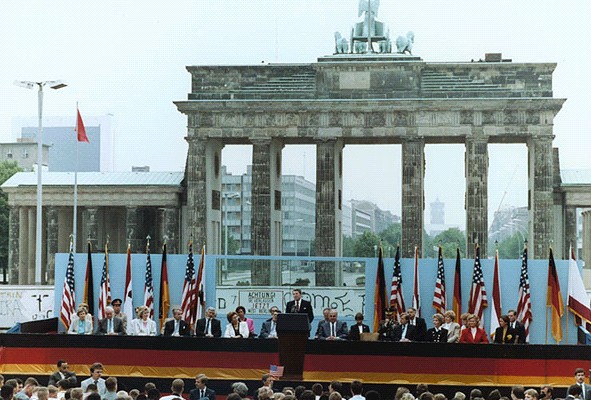
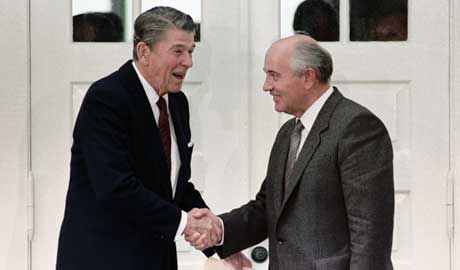
GSM concludes its four part series on the Cold War examining the lessons learned recalling the maxim studying history is to (hopefully) avoid repeating it.
First, a just cause and the will to advance it are key ingredients in a struggle. The Western powers and their allies around the world united their efforts to oppose Soviet-inspired tyranny Every continent was affected by the East-West contest. Though progress waxed and waned, the thirst for freedom by the oppressed cowering at the boot of the dictator sustained the West´s effort to defeat Soviet communism.

Second, the spiritual aspect of the democracies, especially the appeal in East Europe by the Pope John Paul II in the Vatican, is credited with fueling the Solidarity trade union resistance in his native Poland. Moscow attempted to assassinate the Pope and never underestimated his ability to expose the hollowness of secular communism. The ´´holy alliance´´ between former US President Reagan and former Pope John Paul II proved a potent antidote to the raw atheistic offerings of Soviet communism. Faith to overcome the heavy boot of tyranny sustained many behind the Iron Curtain. In addition, the moral element embodied in Reagan´s ´´evil empire´´ comment drew the battle lines tight with the practitioners of tyranny like Solzhenitsyn´s Gulag Archipelago.
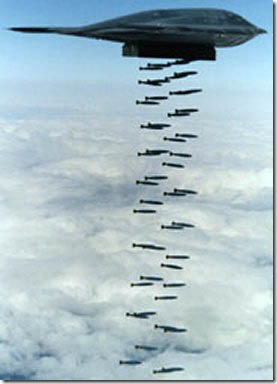
Third, military superiority spearheaded by President Reagan´s military buildup and modernization of strategic weaponry narrowed the gap with the Soviet Union. The military maliase following the Vietnam War defeat, highlighted by the ´disaster in the desert´ to rescue the Iranian-held hostates in 1980, left the United States vulnerable in the air, land, and sea. The buildup demonstrated US resolve at a critical time. The Warsaw Pact held the number superiority, but the West compensated with superior technology.
Fourth, in deed, the technological edge, particularly the mere threat of a Strategic Defense Initiative (derided by the Western press as ´´Star Wars´´) convinced the Soviets to seriously reconsider both the nature of the struggle with the West and the confident Reagan leadership in the White House. The KGB thought the tech gap with the West undermined Moscow´s ability to compete. Reagan doubled down on the costs for the Soviets to compete with the West, essentially to bankrupt Moscow.
 Fifth, the ideological economical competition pitted free markets versus Marxism and capitalism won. The Soviet 5-Year plans as required by the command economy were folly. The more productive West despite intermittent cyclical market downturns proved the superior economic system to provide the most basic goods and social mobility for a better life.
Finally, the will to win and overcome cannot be underscored enough. The democracies´ will to win was flagging when former US President Reagan and former British Prime Minister Margaret Thatcher appeared on the scene at a crucial time in world history to dispatch Soviet communism to the ash heap of history. One wins by imposing your will on the opponent. Mr. Reagan and Mrs. Thatcher imposed the West´s will on Mr. Gorbachev who only sought to reform communism instead of killing it. Laurels for Mr. Gorbachev are misguided. His card hand was not very appetizing when he appeared on the scene to preside over the dissolution of the East European dictatorships, a Soviet leader´s nightmare.

The West won and the Soviet Union lost just as Reagan quipped in our quote above. The end of the Cold War was not marked by victory parades or grand displays in contrast to the May Day celebrations in Moscow every year. Regrettably, many in the democracies are unaware of the high stakes involved in the titanic struggle with Moscow and worse, many sympathized if not openly sided with Moscow.
 We live in a more dangerous multipolar world today without any longing for the managed bipolar world of the Cold War. Nuclear technology and ballistic missiles are more available around the world in the hands of tyrants. There is no Reagan or Thatcher on the scene in the democracies to confront the scourage of Islamic fascist terrorism, nuclear-tipped tyrants or other asymetrical challenges to freedom and pluralism.
Leaders in the democracies today do good to heed these lessons and apply them forthright or risk horrifying consequences.
Get your International Policy
 books today!